
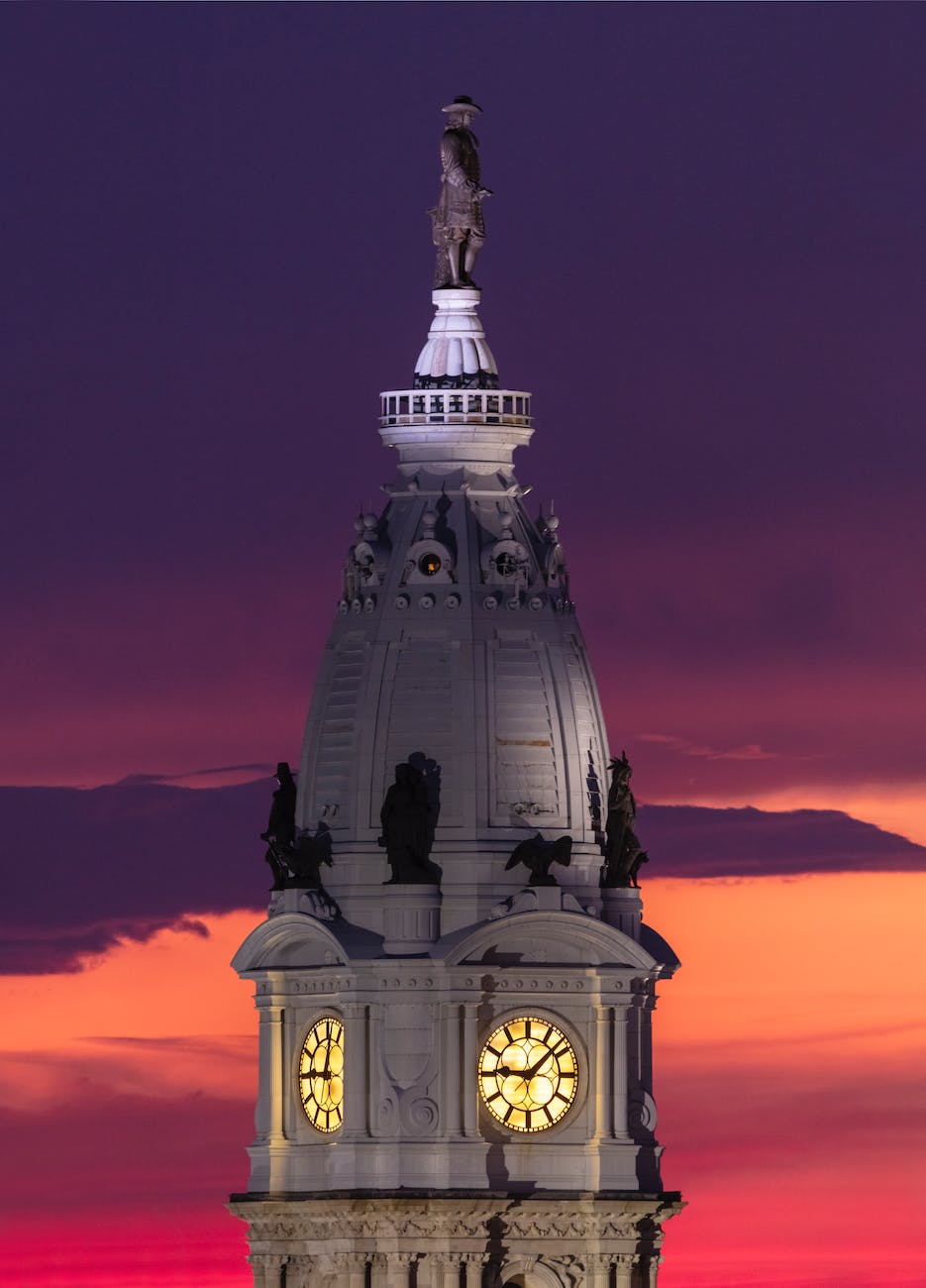
This Sunday was the first Sunday of November. Other than Hawaii and Arizona, all US states set their clocks an hour back to their standard time zone. Daylight saving ended this Sunday at 2 AM. After living in the US for more than a decade, I still felt jet legged by just an hour time shift. The whole day seemed too long with a mere an hour change. On an interesting note, I felt happy waking up at 6:30 AM on Sunday and declaring myself a morning person for the day😊
Daylight saving time (DST) in the US begins on the 2nd Sunday of March and ends on the 1st Sunday of November. On DST we advance our clock by one hour. The purpose of advancing our clocks is to make use of more daylight during warmer months. The European version of DST is EST – European Summer Time. EST begins on the last Sunday of March and ends on the last Sunday of October. The countries that are closer to the Equator don’t observe daylight saving time. It is interesting fact that there are more than 60 countries around the world that observe daylight saving time.
How did the world start to think about advancing the clock? It is a long history. To Summarize, William Willet is known to be the promoter of the British Summer Time. On early morning sunny days, he used to observe closed blinds while riding his horse in town. He believed that everyone in town should start their day early and save daylight during warmer days. He published a paper in 1907 and proposed that the clocks should be advanced by 80 minutes during April and reversed the same way during September. Although a huge promotional campaign took place, it was not until World War 1 that made the issue more prompt. Germany was the first country to adopt Daylight Saving Time on 30th April 1916 as a way of saving electricity needed for the war. European nations adopted this shortly after. In the US, daylight saving time commenced on 31 March 1918.
Interesting historical facts, correct! While history is teaching us the need of setting up clocks two times a year in a few parts of the world, do we need them twice a year? I will prefer to have a single time zone. Standard or daylight? Let us think about it.
I think historically, the proposal for daylight saving was based on 2 prime reasons – energy conservation and saving daylight during warmer days. If we talk about modern times, do we conserve a lot of energy by advancing clocks by an hour? I think, very negligible. Since most of our houses are centrally air-conditioned as compared to the 1900 time. But what about saving daylight? Advancing an hour from March through October months surely starts the day early and increases the evening duration resulting in – more outdoor activities, more social time, more family bonding, lesser traffic accidents, etc. During the winter season, for some days’ the sun sets around 4 pm. Many of us don’t get sun-sighting for the day at all, resulting in severe health issues.
As much as I embrace the calm, cozy, bracing chilly weather, and meditating breeze in the winter season, darker evenings are not my fondness. Given the proven health benefits of longer days, if I was given an option I would prefer to stay in DST during the fall and winter seasons and set my clocks with that throughout the year.
Something to think about 😊
Thanks
Mridulika


 Scrollmate
Leave a reply to mridulikamangal Cancel reply